Fortinet
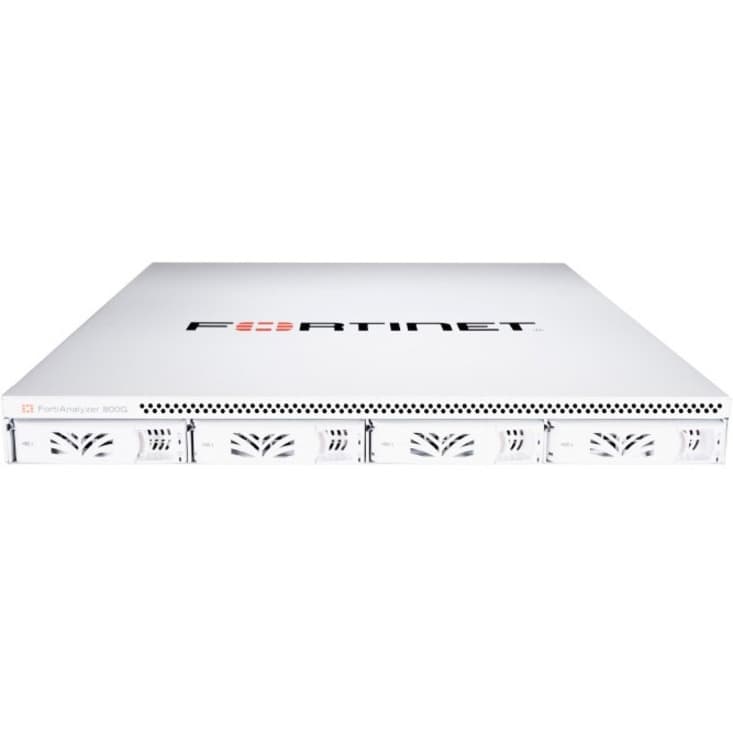
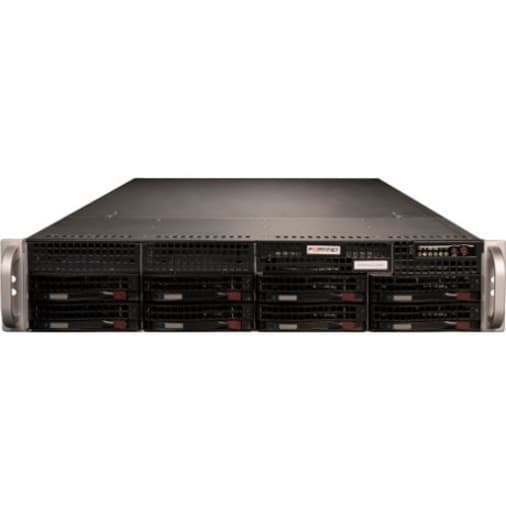
FortiNDR 2500G Appliance
Out of Stock
Fortinet FNR-2500G FortiNDR 2500G Appliance | Network Anomaly Detection
Fortinet
MPN: FNR-2500G
$59,680.85$85,000.00
Free shipping on orders over $500
Authorized Dealer — Full manufacturer warranty
Key Features
- Artificial neural network-based detection
- Standalone and sensor mode support
- 4 x 25 GbE SFP28 sniffer interfaces
- 2 x 10 GbE SFP+ management and HA interfaces
- 1 x GbE RJ45 console port
- 1 x GbE RJ45 bootloader port
- Fortinet FortiNDR 2500G appliance
- MPN: FNR-2500G
FortiNDR 2500G is built for environments where packet-level visibility and fast anomaly detection matter. Using artificial neural network analysis, it helps identify suspicious behavior, unknown malware, and 0-day activity that can slip past signature-based tools. That makes it a strong fit for teams protecting high-value networks, industrial environments, and segmented infrastructure.
The appliance supports both standalone and sensor modes, so it can be deployed to fit the operational model of the site. With 4 x 25 GbE SFP28 sniffer interfaces, 2 x 10 GbE SFP+ ports for management and HA, plus dedicated console and bootloader ports, it is designed for serious network monitoring workflows rather than light-duty inspection.
FortiNDR 2500G is also a practical choice for organizations that want to pair detection depth with deployment control. NetFlow and OT Security Service are ordered separately, and transceivers and breakout cables are purchased separately, allowing the platform to be sized to the network rather than forcing a one-size-fits-all package.
Ideal For
- Monitor east-west traffic for anomalous behavior in enterprise networks
- Detect unknown malware and 0-day activity in high-value segments
- Deploy passive sensors for network visibility without inline disruption
- Support OT security monitoring where traffic analysis depth matters
Why This Product
- 1ANN-based detection versus signature-only monitoring
- 2Standalone and sensor modes versus fixed deployment models
- 34 x 25 GbE sniffer ports versus lower-speed inspection appliances
- 4Dedicated management and HA interfaces versus shared control paths